
The Important Between-Rounds Check, for Airsoft Eye Protection
Looking after your gear, especially your eye protection, is important for a good and safe airsoft game. A fast good check between games can improve how clear things look and make sure everything is working properly. Learn how to take care of your eye gear well to avoid problems during the game.
Important Cleaning Steps
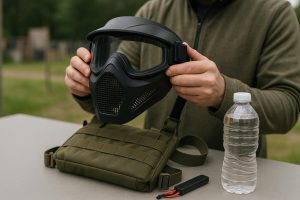
When you move from the playing area to the place where you get ready make sure your gear is safe according to the rules of the place. Before you clean your eye protection look at it to see how it is. Remember, a simple wipe with a cloth can't hide a lens, a frame or a weak strap.
Dirt and dust can hurt the lenses. If the place allows, rinse off any dirt with water to stop particles from scratching the lenses when you wipe them. Use a cloth that is made for lenses and keep it separate from cloths used for tools or food. Don't use paper towels or regular cleaning products unless the maker says it's okay because that can damage the coatings.
If you have paintball gear gently take off paint drops and pieces without pushing dirt into the seal. For airsoft goggles check that no dust is inside the space between the lens and the frame. If you find something that you can't clean easily it's better to stop using the gear and ask for help of trying to fix it in the ready area.
Don't forget to check for sweat and moisture which can build up during the game. Things like breath hitting a lens or not enough air coming from clothes or straps can cause problems. Anti-fog products might help a little. They won't fix problems like the fit or seal. Watch when fog happens to find the fix-fog that comes away when you move probably means the fit or air is wrong while fog that happens after a break shows sweat or moisture.
Knowing When to Stay Out
Before going into action make sure your eye protection is on properly. Checking the frame is important-move your head and bend forward to make sure it doesn't move a lot or leave gaps. Check that it works with gear like glasses or helmets because something that feels safe when standing may move when you run or move.
If the lens is broken, very scratched or the frame isn't tight it's time to stay out. Small damage can be okay. Anything that makes it hard to see or makes the gear unsafe is a problem. This includes haze or dirt that you can't fix safely. Don't rush back into the game just because the next match is starting; taking a moment to make sure your protection is good could stop an injury.
Never take off your eye protection while you are playing even if you want to see. If you can't see well keep the protection on raise your hand and tell others so you can leave the field safely. Putting safety first over the match can stop accidents. Stop sudden vision problems from being a bigger danger.
Talking to Officials
If you are not sure if your eye protection is safe ask a marshal or referee. They are there to help and make sure the rules are followed. When you talk about problems be clear. Give facts-say when fog happens and show any parts or dirt that is stuck. Don't waste words; be specific so staff can help.
Listen to the officials decisions for the day. Just because something is allowed at one place doesn't mean it is allowed at another and different games can have rules. Know the rules before you go and pay attention during the safety talk. Being aware of how your gear's supposed to work can stop confusion.
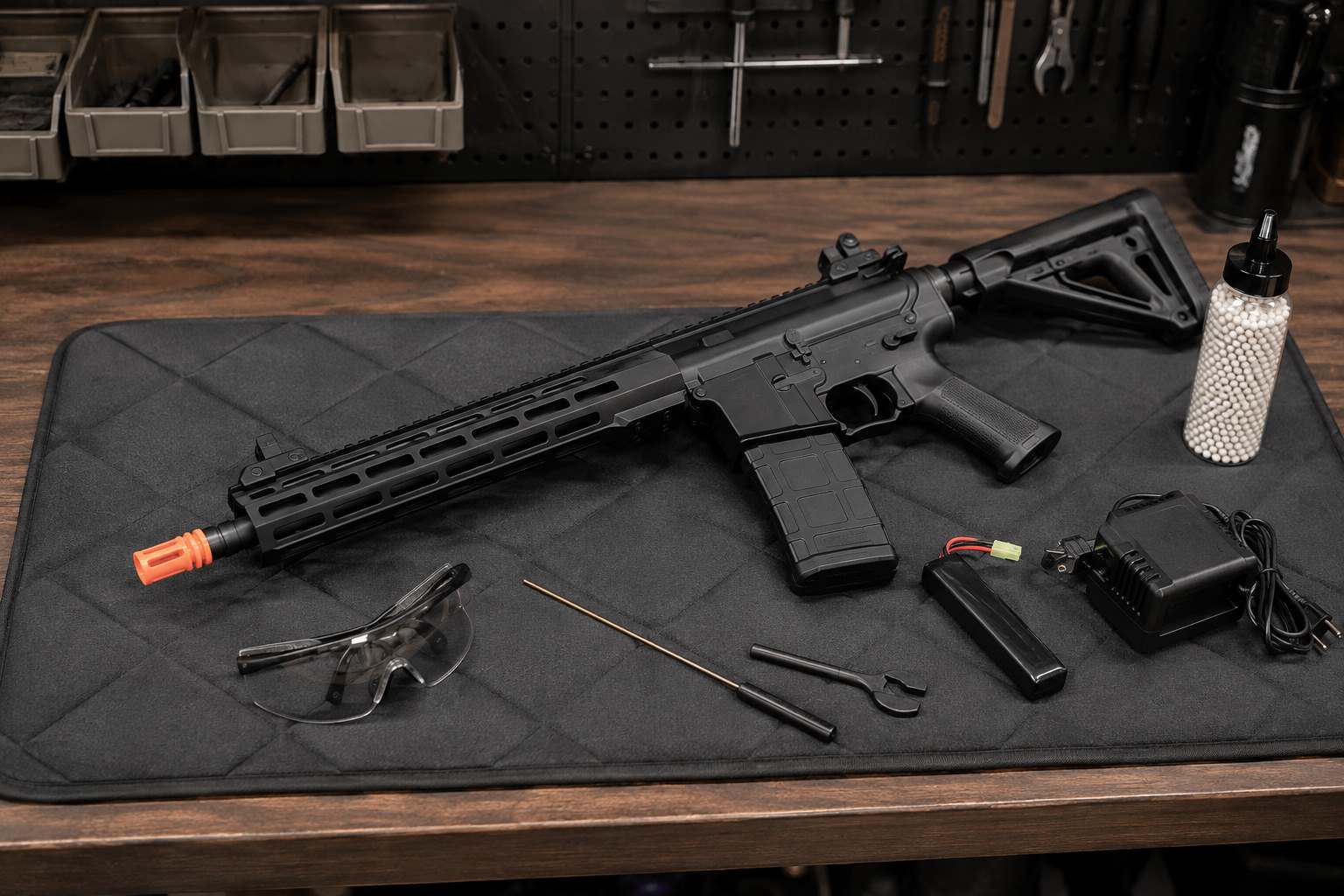
Every place has its rules about when eye protection's needed how to handle the guns and how to move between areas. Be careful to follow the rules for handling batteries and gear in the area. Don't start any job like changing batteries until you know its allowed.
If fog happens while you are playing don't rush to the area without following the rules. Other players might still be around. Following the way to leave can stop more problems.
Keeping a Regular Check Routine
Making a plan for checking your gear helps stop mistakes. Before going into play check everything carefully at the area focusing on:
– How clear the lens looks.
– If the lens, frame, seal and strap are in shape-check for cracks or being loose.
– Cleaning off sweat, paint or dirt in the way.
– Making sure the eye protection works with other things like helmets or glasses.
– Following the rules about changing batteries, magazines and handling the guns.
– Telling staff if anything is wrong or if you are not sure.
When you talk about gear problems use facts. Saying things about players can cause problems unless the staff checks it. Also if there is a question about a hit stop playing follow the fields way to solve it and stay away, from active play.
Before each game check the rules the makers instructions and the fields special rules. Take time between games to clean what you can put away gear that isn't working and ask for help when you need it. Your work to take care of your eye protection helps make the game fun for everyone.