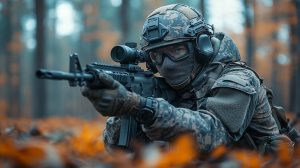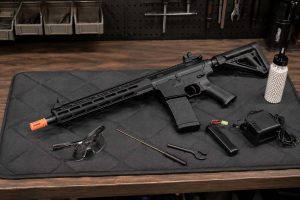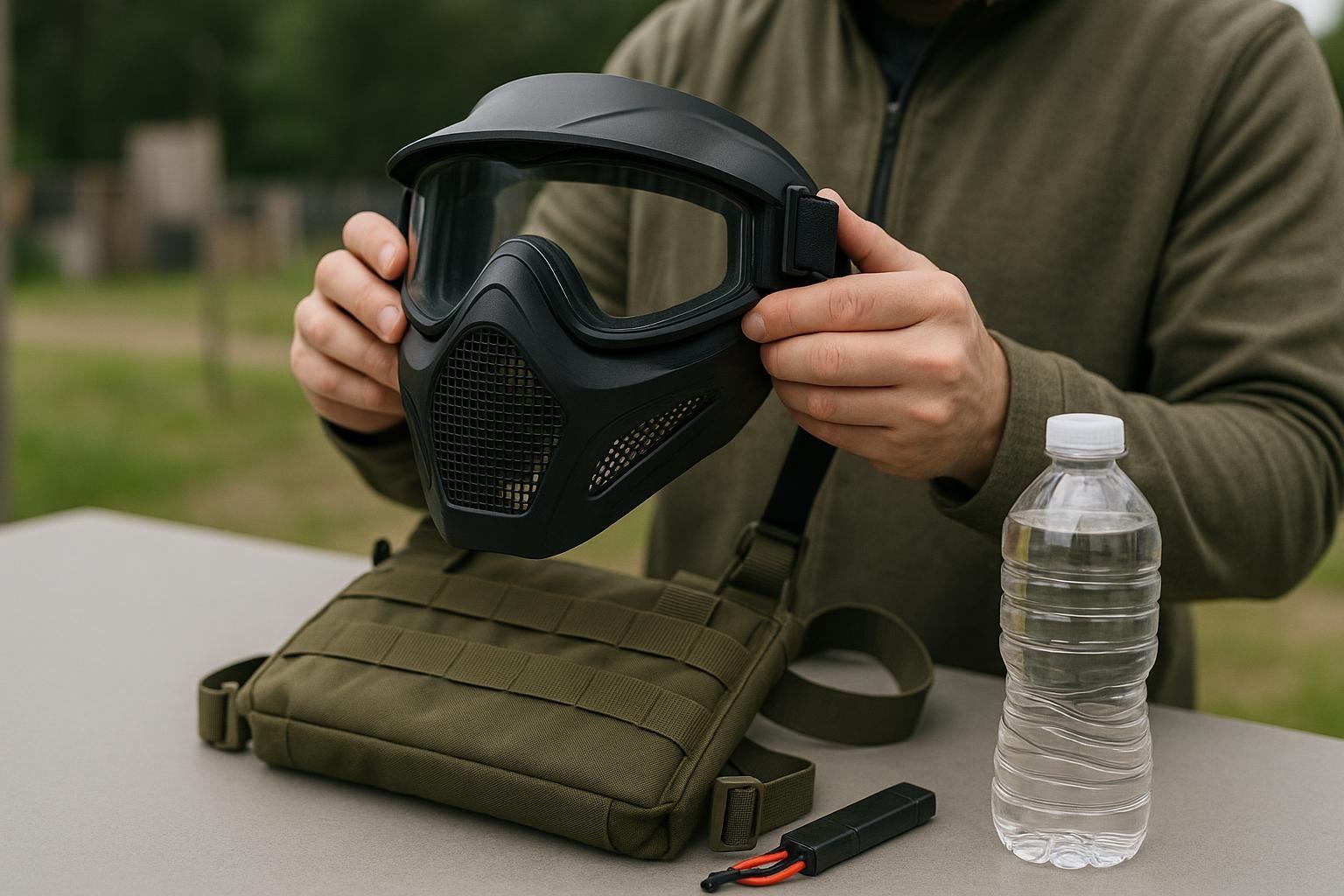

A first game often reveals a planning problem: the shopping list grows faster than the budget, while necessary items remain unclear. A useful airsoft loadout does not need to arrive in one parcel. Build around safe vision, field requirements, dependable operation and comfort, adding equipment only when a real problem justifies it. This lets you learn your playing style before buying items that spend most of the day in a bag.
Start with the field, not the shopping cart
Every venue has its own rules, so check current guidance before buying. Power limits, approved eye protection, magazine or ammunition restrictions, minimum engagement requirements, clothing expectations and safe-zone procedures can vary. Paintball venues may have different mask and marker requirements from airsoft sites; do not assume equipment transfers between them.
Rules and local regulations can change. Verify requirements with the venue and relevant official guidance, especially when transporting or storing replicas. A retailer's description is not a substitute for the field's rule sheet.
If you hire equipment for a first session, note what was awkward. Did the mask interfere with your glasses? Did you lack carrying space, or did extra pouches catch on obstacles? These observations are more useful than copying a highly photographed setup.
Put eye protection at the top
Eye protection is the one area where compromise is a poor bargain. Use protection that fully covers the eyes, meets the field's standard and remains secure when you turn, crouch or move briskly. For airsoft, ordinary workshop glasses or casual sports eyewear may not qualify. For paintball, a properly rated full-face mask is typically required. Follow the field's exact wording rather than judging protection by appearance.
Fit matters as much as the label. Check for gaps, pressure around the nose and temples, fogging and interference with prescription glasses. Follow the manufacturer's care instructions for anti-fog measures. Never lift or remove eye protection in an active area, even if the lens fogs or play seems to have stopped. Move to the safe zone and ask a marshal for help.
Comfortable, reliable protection is a better starting point than an expensive replica paired with uncertain eyewear.
Spend the next money on reliability and comfort
After protection, prioritize what keeps you functional: suitable footwear, weather-appropriate clothing, gloves if they improve comfort and a simple way to carry water. Choose clothing that lets you kneel, walk and shoulder equipment without snagging. Camouflage is optional; comfort and compliance with field rules are not.
For the replica or marker, prioritize field compatibility and dependable operation. Ask whether the venue supplies compatible ammunition, gas, batteries or air systems, and what the hire desk recommends. If buying, choose a platform with straightforward support and commonly available consumables rather than adding upgrades immediately. A spare battery or air supply, where applicable and safely stored, may solve more problems than a replacement trigger or cosmetic part.
Earn extra carrying capacity through use. Begin with room for the ammunition or magazines you actually use, a phone or small personal item, and water if permitted. A large vest can add weight and obscure what you need.
Build in stages and record the problems
For every addition, ask: What problem does it solve? How often will it occur? Can a simpler item solve it without adding maintenance?
A sling may be worthwhile if carrying the replica between game areas is tiring, while a second pouch can wait until you regularly run out of accessible ammunition. A chest rig helps only if its fit and layout suit your movement. A radio may help where the rules and team culture support it, but it never replaces listening to marshals or following field procedures.
Keep a short note after each session. Record fogging, empty magazines, loose straps, dead batteries, uncomfortable seams and borrowed items. These notes turn shopping impulses into decisions based on repeated need.
Make maintenance part of the purchase
A loadout is practical only if it can be cleaned, checked and stored properly. Before and after play, inspect the replica or marker for obvious damage, loose parts, blocked or dirty components and moisture. Follow the manufacturer's manual for cleaning, lubrication, battery care and gas or air-system handling. Do not experiment with internal changes or pressure adjustments to chase performance; unsafe modifications can damage equipment, breach field rules or create hazards.
Clean eye protection as instructed, using suitable materials so the lens is not scratched. Let damp clothing and soft gear dry fully before storage. Periodically check straps, buckles, magazine lips, seals and fasteners. If equipment behaves unusually-such as inconsistent feeding, a damaged lens, a leaking container or a battery that becomes hot or swollen-stop using it and seek qualified advice instead of improvising a repair.
Start maintenance supplies with what the manuals and venue require, then replace items as they are consumed or worn.
Use the checklist before the next game
– Eye and face protection is field-approved, clean and secure.
– The replica or marker is within the venue's rules and has been checked safely.
– Batteries, gas, air or ammunition are compatible and packed as required.
– Footwear, clothing and carrying equipment are comfortable and permitted.
– Water, personal medication and weather essentials are covered.
– Damaged or unusual equipment has been removed from use.
– The venue's current rules, safe-zone procedure and timing are understood.
Let sportsmanship guide the upgrades
Good equipment cannot correct poor habits. Call hits honestly, follow marshal instructions promptly, respect surrender or minimum-engagement procedures, and keep disagreements out of active play. Do not use extra gear as an excuse to ignore boundaries, overshoot someone or pressure another player into accepting unsafe behavior.
Ask before handling another player's equipment, share useful information without boasting, and return borrowed items in the condition you received them. A practical setup should make it easier to play safely, maintain your kit and enjoy the day with others. When a purchase repeatedly supports one of those goals, it has earned its place. Until then, leaving it on the shelf is a sound equipment decision.